
When homeowners ask how long does a roof last, the answer often depends on more than just the type of material used. A roof is your home’s first line of defense against rain, snow, wind, and the sun’s relentless heat. It protects everything underneath it, from your family and belongings to the structure itself. But like every other part of a home, a roof has a limited lifespan. Knowing what to expect helps homeowners in Madison, OH make smart decisions about when to repair, when to maintain, and when to invest in a replacement. At Kingpin Construction, we’ve seen firsthand how proper planning and maintenance can make a huge difference in extending a roof’s useful life.
Average Lifespan of Roofing Materials
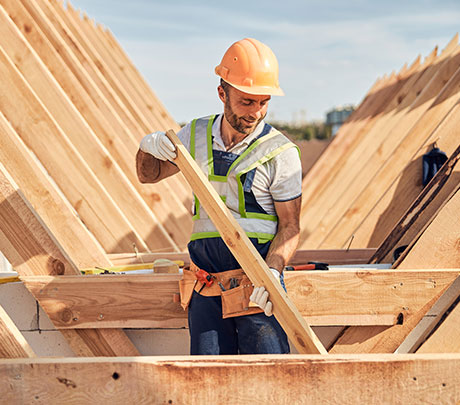
The first factor in determining how long a roof lasts is the material. Asphalt shingles, the most common material used across Ohio, typically last between 15 and 30 years depending on quality. A basic three-tab shingle may not endure as long as a higher-grade architectural shingle. Metal roofing is known for its durability, lasting between 40 and 70 years when installed by professionals. Slate roofing is considered the gold standard of longevity, often outlasting the homeowner and staying strong for 100 years or more. Wood shakes and shingles offer a more natural look, but their lifespan of 20 to 40 years depends heavily on climate and upkeep. Flat roofing systems, often used in commercial applications, generally last 10 to 25 years. For a broader look at national averages, the National Association of Home Builders provides an extensive guide on roofing lifespans.
Factors That Influence Roof Longevity Beyond Material
While the material plays a big role, other factors often shorten or extend a roof’s life. Installation quality is one of the most important. Even the best shingle won’t last long if installed improperly. At Kingpin Construction, our certified roofing team follows manufacturer specifications to ensure every roof is built for long-term durability. Ventilation and insulation also matter. Without proper airflow in the attic, heat and moisture can build up, damaging shingles and decking from underneath. The local climate in Madison, OH adds another layer of challenge, as heavy snow, freezing rain, and humid summers test a roof’s strength year after year.
Common Signs Your Roof May Be Nearing Its End
Homeowners often notice certain warning signs before a roof completely fails. Shingles that are curling, cracking, or missing altogether are among the most obvious indicators. Granules from asphalt shingles collecting in gutters or around the base of the home signal that the roofing surface is deteriorating. Inside the home, water stains on ceilings or walls point to leaks. Moss and algae growth can trap moisture and accelerate decay, while a sagging roof deck is a major red flag requiring immediate attention. Catching these signs early can sometimes mean the difference between a minor repair and a full replacement.
Roof Life Expectancy in Ohio’s Climate
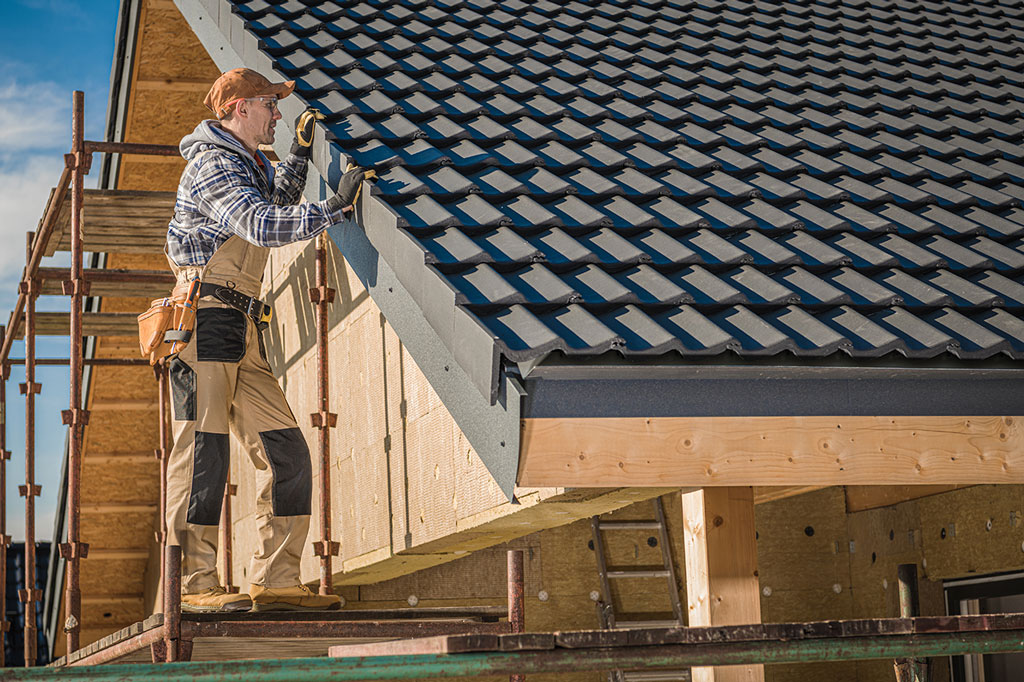
Northeast Ohio presents unique weather challenges. Winters bring snow and ice that add weight and cause freeze-thaw cycles, which wear on shingles. Spring and summer storms often bring heavy rains and high winds, which can loosen or damage roofing material. The temperature swings between seasons also put stress on roofing components. Because of these factors, roofs in Madison, OH and surrounding Lake County may not always reach the maximum national average lifespan. Regular inspections help spot issues caused by these conditions before they shorten the life of the roof.
How Regular Maintenance Extends a Roof’s Life
The most effective way to add years to a roof’s lifespan is through consistent maintenance. Having gutters cleaned twice a year prevents water from backing up under shingles. Trimming overhanging branches reduces the risk of falling limbs and prevents debris buildup. Scheduling annual or biannual inspections with a contractor like Kingpin Construction ensures small problems are repaired before they become major. Replacing flashing, resealing around vents and chimneys, and repairing damaged shingles are relatively minor expenses compared to the cost of premature replacement.
The Role of Proper Installation
Even with top-of-the-line materials, a roof won’t last if it isn’t installed properly. Poor nailing patterns, inadequate underlayment, or skipping critical ventilation steps can shorten the lifespan of a new roof dramatically. Certified contractors know how to avoid these pitfalls. That’s why Kingpin Construction invests in training and certification to make sure every project meets strict industry standards. Proper installation means fewer callbacks, stronger warranties, and peace of mind for homeowners.
Comparing Roof Lifespan vs. Cost
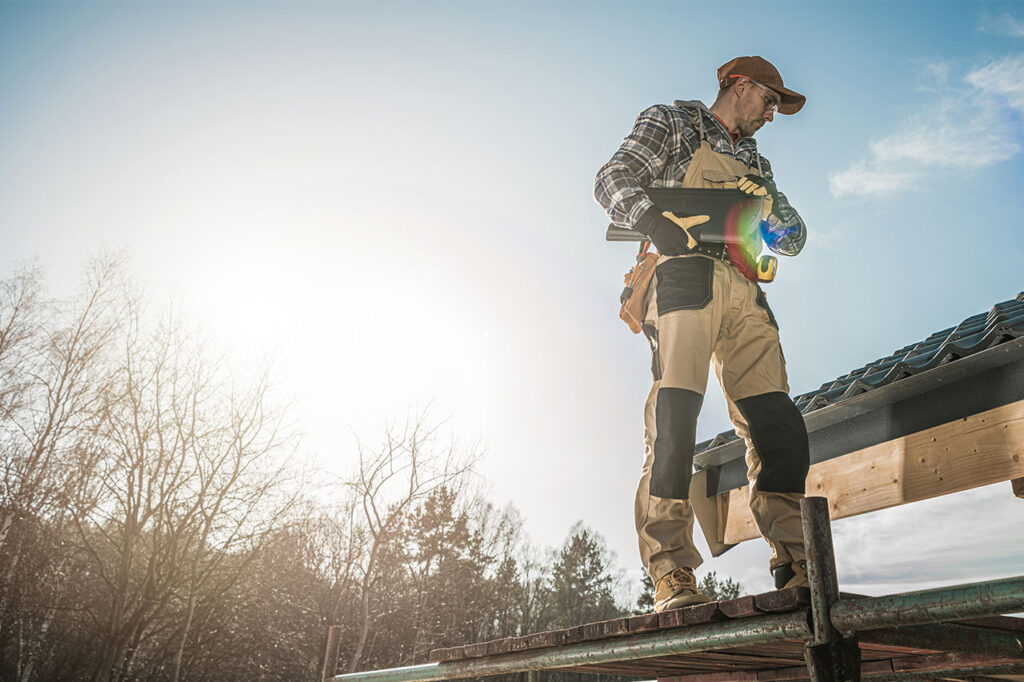
When choosing a new roof, cost is always a factor. Asphalt shingles may last only 20 years but come at a lower initial cost. Slate roofing may last 100 years but costs significantly more upfront. Metal roofing offers a middle ground with 40–70 years of durability and increasing popularity for its energy efficiency. Homeowners must balance budget with long-term value. A roof that costs more initially may actually save money by reducing the need for future replacements.
When It’s Time to Consider Replacement
Eventually, every roof reaches the end of its useful life. If repairs become more frequent or the roof shows widespread damage, replacement is often the more cost-effective solution. Homeowners should also consider the added value a new roof brings to their property. Not only does it improve safety and energy efficiency, but it also boosts curb appeal and resale value. At Kingpin Construction, we help clients weigh the costs of repair versus replacement so they can make the decision that best fits their home and budget.
Roofing Warranties and Their Impact on Longevity
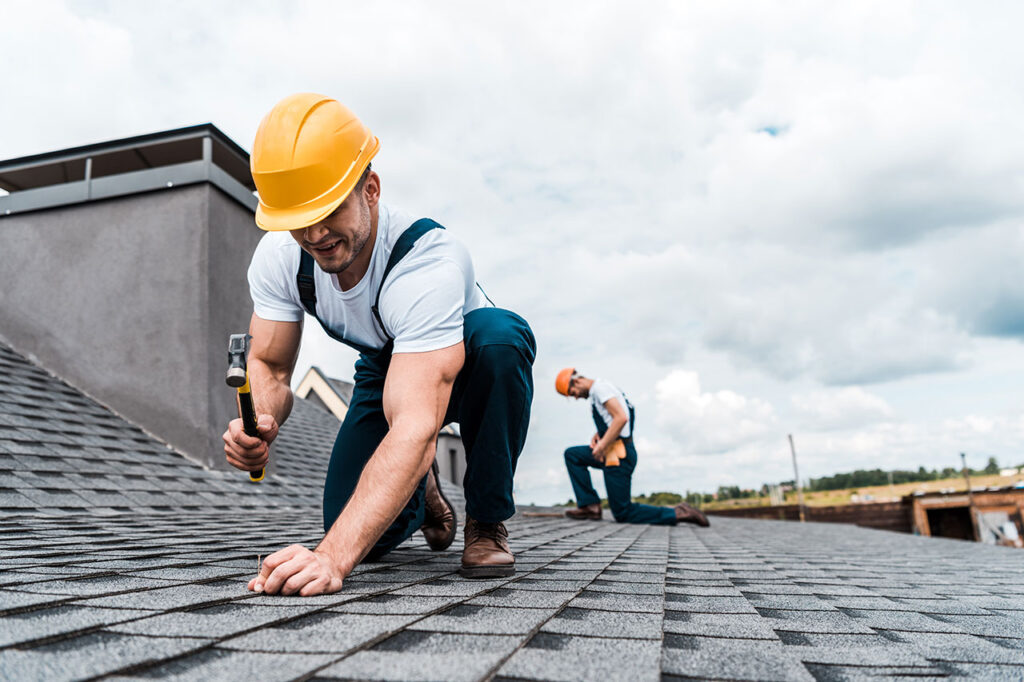
Warranties play an important role in understanding how long a roof lasts. Manufacturer warranties often cover materials for a set number of years, while contractor warranties cover workmanship. A roof installed by a certified contractor may qualify for extended manufacturer warranties, giving homeowners extra protection. These warranties only remain valid if the roof is installed properly and maintained, which is another reason to work with an experienced and certified company.
Conclusion: So How Long Does a Roof Last?
The answer to the question how long does a roof last ultimately depends on the material, installation, maintenance, and local climate. In Madison, OH, roofs typically last 15 to 30 years for asphalt, 40 to 70 years for metal, and over a century for slate when cared for properly. Homeowners who stay proactive with maintenance and inspections can often extend the life of their roof by several years. When the time does come for replacement, working with a trusted contractor ensures the investment pays off. To protect your home and gain peace of mind, schedule a roof inspection with Kingpin Construction today and find out exactly how much life your roof has left.